
The tide pool — A world within our own
Last weekend I ventured out of the city with some friends to the Salt Creek Recreation area near Port Angeles, Washington, to explore the tide pools dispersed among the rugged, rocky shoreline. Washington had recently experienced some significantly lower than normal tides, making the pools even more plentiful and drawing out “tidepoolers” like ourselves from all over the region. Admittedly, I don’t yet have much experience with tidepooling myself, but it’s a common pastime for many outdoor enthusiasts who live here in the Pacific Northwest.
What some may not know about tide pools is that they are not just mere lifeless puddles of ocean water — they are rich self-sustaining ecosystems of plant and marine life that reflect the ocean’s ecosystem at large. In fact, tide pools are home to some of the most complex biodiversity of any other biome on the planet. Kneeling down on the rocks, I gazed into these little marine worlds with fascination. I was amazed at how much seemingly effortless coexistence there was between different species, especially in such confined spaces. From sea stars to sea anemones to hermit crabs, there was no shortage of life here.
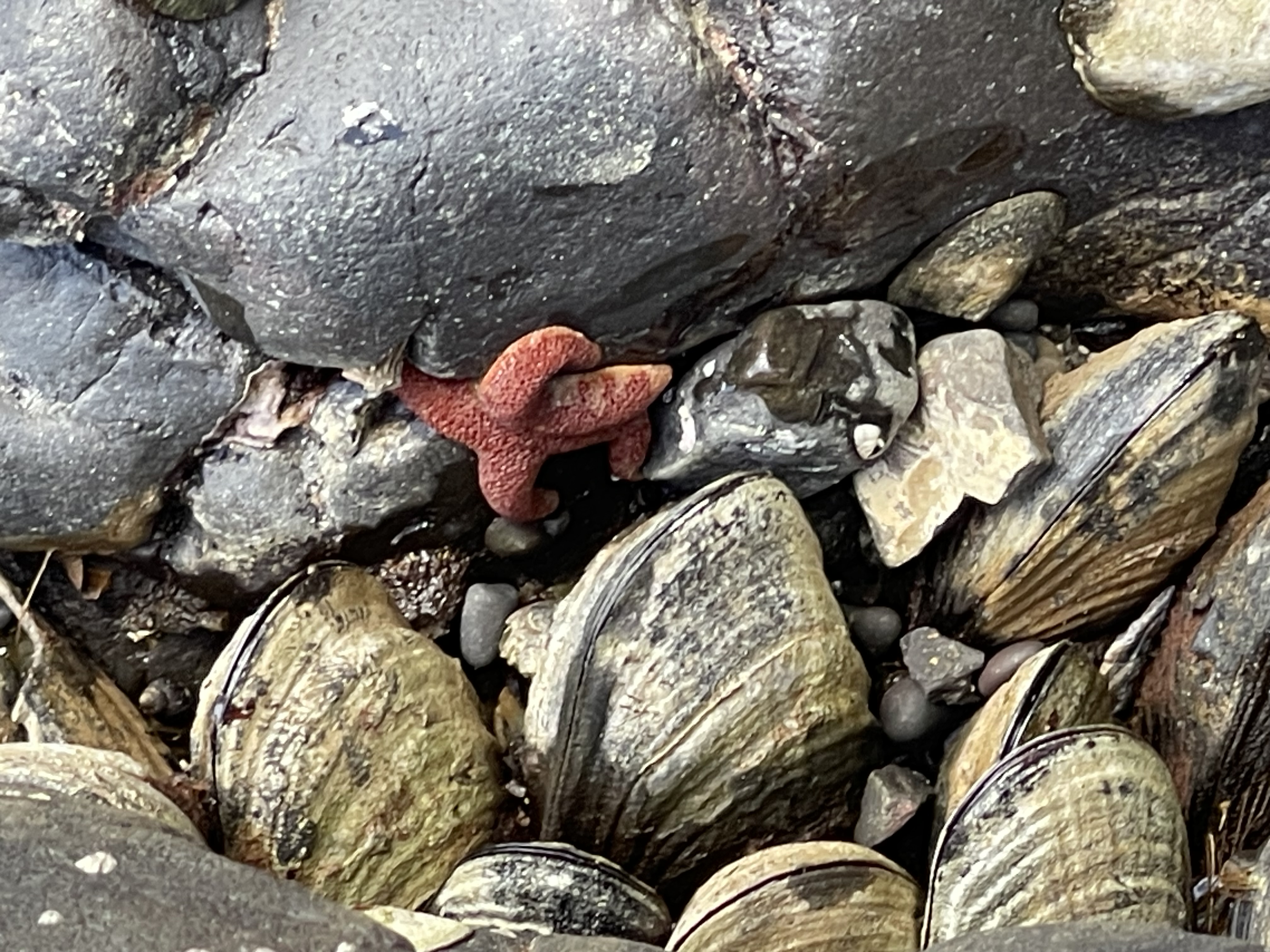
While the tidal forces of the moon influence the existence of tide pools, tide pools themselves play a crucial role to the health of the surrounding ecosystems. They act as a “kiddie pool” of sorts for young sea creatures, such as barnacles and plankton, that are not yet mature enough to survive on their own in open ocean. But because tide pools are such dynamically changing environments, they also contribute to the high adaptability and survivability of oceanic life. Tide pools also help facilitate the cycling and harmonious balance of nutrients between land and sea, in addition to acting as buffers for erosion.
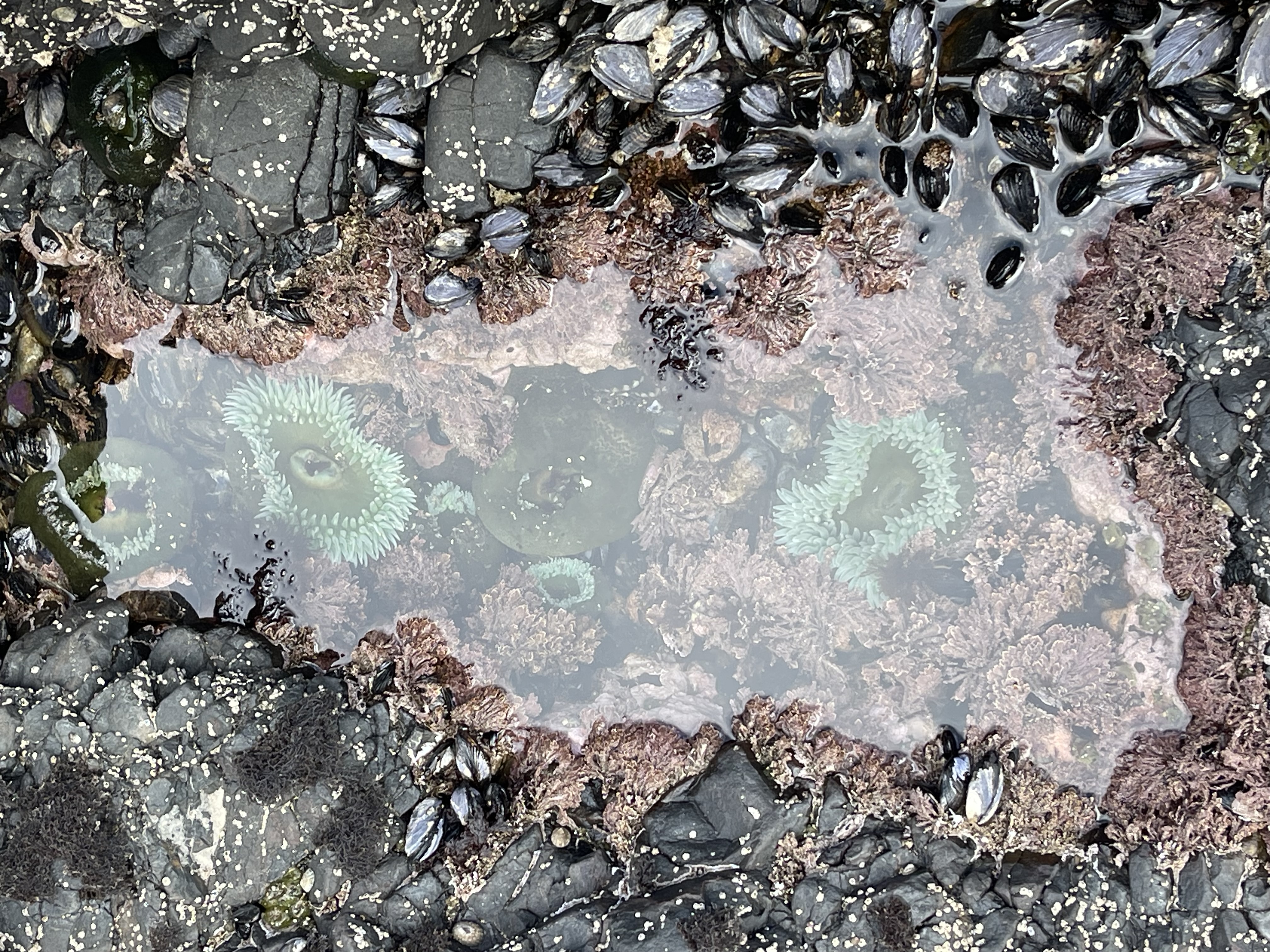
With Earth Day approaching the following week, there was no better time to ponder the potential effects of climate change on these precious tide pools and their inhabitants. The answers I found were about as I expected, but still left me feeling nothing short of dismay. As global temperatures rise, the ocean will naturally become more acidic leading to degradation of shells, which means much weaker armor for creatures who need these shells to survive. We will also bear witness to forced mass migration of species in search of cooler waters, if not a complete loss of habitats themselves. A study published in 2018 investigated the effect of global warming and resulting increased water temperature on coastal organisms in both tropical and temperate climates. Their conclusion was that while climate acclimatization is more likely in temperate zones, tide pools will act as ecological traps in tropical area as climate change worsens. This will result in widespread species habitat loss, or “coastal squeeze”. Ultimately, natural selection will inevitably take over.
After my visit and the research I’ve done, I understand so much more about how sacred tide pools are and it’s our responsibility to preserve the creatures that inhabit these little worlds. To visit tide pools sustainably whilst respecting the natural environment and our underwater friends, I’d recommend these tips:
✵watch your step to avoid slipping on rocks or stepping on creatures
✵observe quietly, so as not to scare or disturb the marine life
✵leave no trace (this should go without saying)
✵most importantly, be present with nature and enjoy each moment!
nature